So sleep deprivation makes it worse, huh?

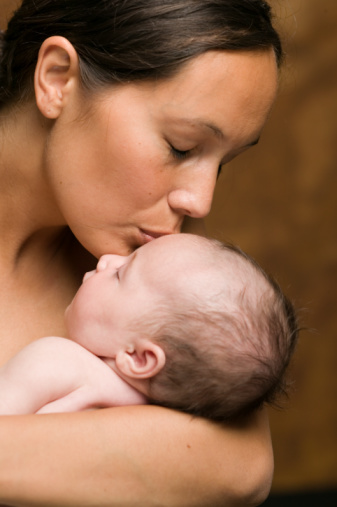
sleeping-mother-and-baby

A study by Bobbie Posmontier of Drexel University published this past week concluded that sleep deprivation exacerbates symptoms of Postpartum Depression.

Really? Sure about that?

And money was spent on this research?

You’ve GOT to be kidding me.

So those endless sleepless nights, stolen moments of sleep here or there because I just couldn’t keep my eyes open or my mind awake anymore just made things worse? And wait a second – you’re also saying that women with PPD have a hard time falling asleep? So it WAS the PPD that caused all those racing thoughts and sleep problems! Wow. There’s an eye-opener.

What really gets me about this is that the end of the article published by Blackwell, there are recommendations for sleep habits of new moms.(You can read the article by clicking here)

Posmontier recommends clinicians treating women for PPD to address the importance of adequate sleep. “Mothers can develop a plan to have other family members help care for the baby at night,” she said. “They also should practice good sleep hygiene. That includes going to bed at the same time every night, avoiding naps and steering clear of caffeine, exercise, nicotine and alcohol within four hours of bedtime.”

Hey wait! Caffeine (and power naps) helped me get through those first few bleary weeks! Well, toothpicks too but that’s a whole ‘nother post in rebuttal to a whole new study – about how toothpicks are ineffective tools for keeping your eyes open due to the OW factor. (That study hasn’t already been done, has it?)

My sarcasm aside, Ms. Postmontier does make a valid point of getting practitioners and clinicians to increase their awareness and their patient’s awareness of adequate sleep.

And here’s where I get serious.

With our second daughter, we begged our pediatrician for a night nurse. Tube-fed, someone had to be up with her 24/7 as we couldn’t just let a feeding slip by. It mattered too much to get her as much food as possible. I was also pumping exclusively for her and my life revolved around caring for her but with a lot of above and beyond thrown in for extra measure. Typically my husband stayed up with her at night and let me sleep at least the five hours I could sleep without sacrificing supply.

Just one month after she came home from the hospital was when I was admitted to psych ward for suicidal ideation/thoughts and thoughts of harming my children. I slept most of the time I was there. The nurses would wake me so I could pump, which I did every three hours during the day until midnight or so and then I would go to sleep until 6a and start the whole routine over.

That weekend was a tremendous turning point for me. Not only was my medication changed but I got sleep. The nurses hounded me to change my routine at home and make sure I took time for myself, something I made sure to do when I returned home. I started walking every morning and learned the true value of self-care. I felt guilty at first but now not only have I come to expect it, my husband is an active enforcer of my self-care time. (He knows what a grump I can be if I don’t get my sleep!)

So while the whole study struck me at first as a “DUH” moment, it really is a valuable enforcement of the importance of sleep in a new mom’s life. The better care you take of yourself, the better shape your family will be in come the long-run. Thank you, Ms. Postmontier for your invaluable contribution to this important aspect of Postpartum Care.

National Pregnancy Registry for Atypical Antipsychotics

I received this announcement in my email this morning and wanted to share it with you. If you or anyone you know can help with this study it would be a terrific opportunity to allow for discovery of the effects caused by these medications.

If you are a pregnant woman between the ages of 18 and 45 and currently treated with one or more of the following atypical antipsychotics:

  • Abilify (aripiprazole)
  • Clozaril (clozapine)
  • Geodon (ziprasidone)
  • Invega (paliperidone)
  • Risperdal (risperidone)
  • Seroquel (quetiapine)
  • Zyprexa (olanzapine)

Register now by calling 1-866-961-2388 and help us learn more about the safety of these medicines in pregnancy.

This study will involve 3 brief phone interviews over approximately 8-months.

The National Pregnancy Registry for Atypical Antipsychotics was developed to obtain information about the safety of atypical (second generation) antipsychotic medications when used during pregnancy.  The primary goal of this Registry is to determine the frequency of major malformations seen after use of atypical antipsychotics during pregnancy compared to what is seen among women who do not take such medications during pregnancy.

For more information about the Registry, please call 1-866-961-2388


Copyright 2008 – Massachusetts General Hospital

A new project – just for DADS!

Ok, ok, so in the interest of full disclosure, I am co-partner in this project. Go check it out already!

ppd-dads-project-logo

New Support Site for Postpartum Dads Launches just in time for the Holidays

The Postpartum Dads Project plans to focus on collecting stories from Dads who have experienced depression themselves or have been with a partner who has experienced a Mood disorder after the birth of a child.

December 5, 2008 – With the goal of getting new Dads to open up about the havoc Postpartum Depression can wreak, the Postpartum Dads Project launches today. The project will also focus on developing a close knit community which would provide Dads a safe haven in which to connect with other fathers with similar experiences.

The project is an outcome of a partnership between Lauren Hale and David Klinker, both Coordinators with Postpartum Support International. Ms. Hale serves as the Co-Coordinator for the state of Georgia while Mr. Klinker serves as the Father’s Coordinator. In June, Ms. Hale featured interviews with Dads and their experiences with Postpartum Depression. Mr. Klinker was one of the Dads featured and this led to further discussion regarding the lack of resources available for Dads.
The Postpartum Dads Project will also be placing emphasis on Paternal Postnatal Depression. This can occur in up to 10% of all new dads. In fact, if a father’s partner is depressed, the father has a fifty percent chance of developing depression himself.

One of the primary goals of the Postpartum Dads Project will be to create a published volume that will include submissions collected through the website. These submissions will be categorized and designed to be read in between calming a fussy baby and watching the game. The development of the website will continue and many of the stories will be found there as well as insights from professionals, tips and hints from other dads who have been in the trenches, as well as the eventual addition of a Dads only forum.

A key addition to the website in the future will be a professionals only area in which professionals will have their own forum and other tools with which to discuss this relatively new area of support.
The Postpartum Project will begin by publishing interviews with Dads and professionals in the know such as Country Music Artist Wade Bowen, Michael Lurie, David Klinker, Dr. William Courtenay and has been granted permission to reprint the interview with Dr. Shoshanna Bennett’s husband, Henry. The Project will also be featured in an upcoming segment at The FatherLife.com.

For additional information on the Postpartum Dads Project, contact info@postpartumdadsproject.org or visit the website at www.postpartumdadsproject.org.

About the Postpartum Dads Project
Lauren Hale and David Klinker are both volunteers with Postpartum Support International. Lauren is very active in Postpartum Peer Support and moderates the iVillage Postpartum Depression Board, runs a local peer support group, writes Unexpected Blessing, a blog dedicated to pregnancy after PPD, and is a stay at home mom of three children. David is the Father’s Coordinator for Postpartum Support International and also runs www.postpartumdads.org. He is strongly dedicated to supporting Fathers throughout the Postpartum Period.

Contact:

info@postpartumdadsproject.org

Lauren Hale, Co-Founder

The Postpartum Dads Project
http://www.postpartumdadsproject.org
###

My Pampered Pregger & Beyond Chat Transcript

The transcript for my chat last Tuesday is now available. Below you will find the introduction and start of the chat. To read the entire transcript, click here. A big thanks to Tiffani for having me and I look forward to continued participation in her site!

The baby’s here, and I’m not doing cartwheels. Instead, I feel worthless, sad, weepy, and irritable and there’s no sign of these feelings going away! Learn how to recognize symptoms of Postpartum Mood Disorders and what to do when it’s more than the blues!

Lauren Hale, founder of PACE & PSI Coordinator for Georgia, will discuss how to prepare yourself, your family, and how to talk with your doctor if things aren’t getting better if your symptoms have gone on for more than a couple of weeks.

Lauren is the owner of Unexpected Blessing, the Founder of PACE, runs a Message Board at iVillage and is sinking her teeth into her newest endeavor, a Project for Dads.

Welcome Lauren!

Lauren Hale: Hi Tiffani! I am so happy to be here today!

Tiffani Lawton: We are so happy to have you here!

Lauren Hale: Thanks. Learning about Postpartum Mood Disorders is so important yet it is one thing that is often forgotten in preparation for childbirth and if it is remembered, it is glossed over quickly, leaving new families floundering in confusion if anything more serious than the blues hits. For instance, let’s say that a childbirth class is being held and there are 20 women in the class. 16 of the women in the class will experience normal emotional fluctuations, termed the “blues”. The blues typically consist of mom crying for no reason or becoming stressed. However, the blues usually fade within two weeks or so and generally don’t interfere with day-to-day living. When an overwhelming sadness, irritability, or new symptoms such as inability to sleep or rest, not taking care of oneself, or if potentially frightening thoughts about hurting oneself or baby start to enter the picture, it is definitely time to seek help.