Category Archives: Perinatal Mood Disorders

Is Happiness really a choice?

During my first bout with Postpartum OCD, I could not begin to count how many times I got the lecture “Happiness is a choice” from my husband. But that was then and this is now. We have both come a long way in our sensitivity towards the very real condition of Depression, both of us having struggled with it in our own way.

If happiness truly is a choice, then why are so many of us struggling with depression? I mean, really, who chooses to be depressed? I sure didn’t. My husband didn’t. It just happened. Not overnight, mind you, but it happened. The thing with depression is that you don’t feel yourself fading away. As a Casting Crowns song states, it’s a “slow fade” as you fall away from happiness. Such a slow fade sometimes it’s not caught until it’s too late.

I don’t like the intimations of happiness being a choice. Call me jaded if you want but I just don’t like the idea of someone telling a depressed mom that she made the “choice” to be depressed. Yeah, right. I CHOSE to have horrific thoughts about harming my children. I CHOSE to slide so far down my pole that I landed in a psych ward. Yeap, that’s me. Choosing to be horrifically clinically depressed with OCD thrown in just for kicks. Why? Cuz I like it there. I like it in the dark, all alone, milling over thoughts of how to hurt my kids, thinking that everyone is out to get me.

C’MON.

I hated it there. Abhorred is an even better word. Emphatically detested the place, actually.

But now that I’ve graduated to Survivor, I have a very unique insight into the subjectiveness of this very phrase.

I didn’t choose to become a sufferer of Postpartum OCD. Nope, that part kinda bit me in the ass all on it’s own.

However, I CHOSE to become a survivor.

Like David gathering rocks to throw at Goliath, I turned and sought for my own rocks to place in my bag as I stood strong in the face of the Giant.

My rocks were strength, faith, and endurance. I needed all of them to carry me through. I found strength in stories of other survivors who had gone on to become tremendous advocates for other women and were now reaching their hands out to me as I struggled mightily to stay afloat. I found faith in God’s word and actions. Through my journey with PP OCD, I realized I had not strayed as far from Him as I thought. The wandering path behind me suddenly became clear as I moved forward. Everything, even the traumatic events that had once rocked my world, became illuminating lights that allowed me to develop endurance. I had been through several family deaths as a child, having lost an aunt at just 5 years old. It was through these losses that God prepared me for the road ahead. I knew I could strap on those boots and turn and fight.

Let me tell you something here. There is no feeling more empowering in the entire world than victory over your own personal demons, whatever they may be… mental illness, cancer, heart disease, etc. Those of us who choose to stand and fight know the taste of victory and it infuses into all we do from that point forward. We know we are not immune to the challenges of life. We just know how we’ll handle them no matter what they may be.

The biggest lesson I learned through all of this? Life isn’t about what it hands you. It’s about how you handle life. Looking at life through that lens would make it seem that happiness is a choice and to a certain extent it is a choice.

But sometimes life throws a screwball you just can’t avoid. So what are you to do? You have two choices. You can either let it knock you flat on your ass and stay there for awhile…..Or you can pick yourself up, dust off the dirt and mend the wounds, and go on your way.

What are YOU going to do?

The Confusion of Ante-Partum Depression: To Medicate or Not?

Finding yourself faced with depression during pregnancy is a confusing prospect indeed. How do you treat it? Do you tough it out and hope there is no effect on your pregnancy? Or do you risk medication and the potential effects that course may have on your baby as well? In addition, many care-givers are hesitant to medicate a pregnant mother for depression or even worse, are not familiar with ante-partum depression and negate the mother’s concerns over her mental health. If your caregiver brushes aside your concerns as normal pregnancy ups and downs yet you know in your gut it’s more, get a second opinion or ask for a referral to a therapist at the very least.

A recent study by Dr. Katherine Wisner, M.D., M.S., found that continuous exposure to either SSRI or Depression during pregnancy results in pre-term delivery rates in excess of twenty percent while mothers with no exposure to either depression or SSRI over the course of their pregnancy experienced rates of pre-term delivery at six percent or lower. The study looked at 238 women with no, partial, or continuous exposure to either SSRI treatment or depression and compared infant outcomes. They found that exposure to SSRI’s did not increase birth defects or affect infant birth weight but the importance of this study lies within the finding that the pre-term delivery rates were the same with depression exclusive of SSRI treatment, leading the researchers to state that it is “possible that underlying depressive disorder is a factor in preterm birth among women taking SSRIs.” You can read more about this study by clicking here.

“This study adds evidence that depression in pregnancy can negatively affect birth outcome. Although women treated with SSRI’s throughout the pregnancy may experience pre-term birth, the factor causing the problem may in fact be the depression and not the SSRI. More research is needed to tease out what is causing the changes in the uterine environment. As research comes forth, what continues to be clear is that treatment for depression in pregnancy is important. ‘Treatment’ doesn’t necessarily mean medication, but for everyone’s sake the pregnant woman needs to receive a plan for wellness.” Dr. Shoshana Bennett shares when asked about her take on Dr. Wisner’s research.

You may recall a recent study posted also regarding birth weight of infants. The study concluded that Prenatal Depression restricted the fetal growth rate. This study concluded that depressed women had a 13% rate of pre-term delivery as well as a 15% greater incidence of lower birth weight. This study’s results examined cortisol levels to determine risk of pre-term delivery and birth weight prediction, which leads us to another study examining the reliability of cortisol to predict short gestation and low birth weights. The study concluded cortisol levels were indeed a reliable manner in which to predict both.

So what’s a pregnant depressed mama to do?

Throw her hands up in the air?

Scream?

Cry?

Tough it out?

None of the above – she should work in partnership with her doctors to weigh the risks. There are other treatments available for depression and anxiety during pregnancy besides SSRI’s. Therapy is always an option. (Yes, more studies to be quoted ahead) A study examining the effectiveness of a Mindfulness based intervention for pregnant mothers found women receiving the intervention experienced less stress and anxiety during their third trimester and postpartum period. There was no data collected regarding pre-term delivery or birth weight in relation to this particular study.

There’s also a wonderful article at wellpostpartum.com that discusses how cortisol impacts mothers. Included in this article are some terrific (and natural) suggestions on how to keep cortisol at bay.

Alrighty now. You’ve shared your precious studies with us. What about some real life advice? What did YOU do when faced with the Hamlet conundrum of medicating during pregnancy?

I read.

Voraciously.

The two biggest sources of help for me were Karen Kleiman’s What Am I Thinking? Having a Baby After Postpartum Depression and Kornstein/Clayton’s Women’s Mental Health. Karen’s book allowed me to realize my emotions were right on target for a woman facing pregnancy (expected or not) after surviving a PMD episode while Women’s Mental Health laid out the risk factors in a no-nonsense manner. I was convinced to stay on medication after I read my risk for relapse went up by 50% if I discontinued my medication during pregnancy. With my risk factor already 50% higher than women having never experienced a PMD, there was no way I was giving myself a 100% risk of traveling down that road.

I stayed on my medication. I stayed in therapy. I talked to my family and developed a postpartum action plan, spending more time on preparing for my possible fall than for my son’s arrival. And you know what, it paid off big time. I did not experience a PMD the third time around, even though (yes, more studies) having a boy may put you at a higher risk for developing a PMD and the risk for experiencing a PMD after two episodes is almost 100%. I beat the odds and don’t think a day doesn’t go by that I don’t give thanks to God for carrying me through.

I always encourage women I come in contact with to weigh their options with their caregivers. To educate themselves and make the best decision possible with the information at hand. Your doctor is on your team and should be willing to listen to your plan and at least consider your requests. If he/she does not respect your wishes, it may be time to find another physician for care during the prenatal period.

I would also encourage you to get a couple of books, the first being Dr. Shosh’s Pregnant on Prozac, in which she examines the relationship of psychiatric medications to pregnancy. It’s a must have resource for mothers facing the decision of psychiatric medication for an existing condition or a newly diagnosed condition. Also pick up a copy of Karen Kleiman’s Therapy & The Postpartum Woman. While this book is ultimately aimed at clinicians and the postpartum woman, pregnant women facing a mood disorder would glean quite a bit from this book as well and may consider gifting it to their caregiver as well, a paying it forward action if you will.

And if you’re interested in complementary or alternative treatment methods that don’t include SSRI’s, a great place to start researching is over at Well Postpartum. Run by Cheryl Jazzar, this blog has just about everything you could ever want to know about alternative care during the Perinatal Period.

The final thought on all of this? Do your homework. Don’t be afraid to ask questions or stand up for yourself (and your child). Above all, make the decision and agree not to second guess yourself or blame any outcome on yourself. As long as you make the best decision with the best information at your fingertips at the time, there is no blame. (And hey, the fact that you’re reading this article right now speaks pretty highly of your motivation to educate yourself!)

No matter how alone you may feel in that dark pit of depression during pregnancy or postpartum, you’re not. There are plenty of other women there with you and there are lots of us reaching our hands down to help you out. All you have to do is reach out and grab.

Sharing the Journey with Ivy Shih Leung

Ivy’s joined the blogging ranks of PPD Survivors recently and I decided to scoop her up for an interview here. She’s been writing some really great stuff over at Ivy’s PPD Blog and is working on a book based on her experience. Check out her blog and enjoy a little slice of her story here!

Tell us about yourself – who is Ivy when she’s not busy being a mom or working?

Hmmmmm……since 3/4 of my life these days revolves around being a mom and working, I have to think a bit on this one. For the past 4 years, I’ve been trying to write a book about my PPD experience. For the past 1-1/2 months I’ve been blogging about my PPD experience, realizing that blogging is an effective means of helping women who are currently suffering from PPD and getting the word out to as many people as possible about PPD in hopes that one day PPD will no longer be so misunderstood, under-diagnosed and under-treated. My motto is: Knowledge is power; information is enabling, and it needs to be shared! Obviously, PPD has shaped my life tremendously. I would like to do more in terms of advocacy and PPD support through telephone support and PPD support groups, as well, but I need to get my book done first.

In terms of what I try to do for fun, I’m a big TV watcher. Nowadays, that’s the cheapest & easiest form of entertainment. I record my favorite TV shows to watch at a convenient time (i.e., after my daughter goes to sleep), like American Idol, Lie to Me, Brothers & Sisters, CSI Miami, Fringe, and Heroes. I try to catch lunch and dinner with friends in NYC a few times a month. I love movies and Broadway musicals, and try to see them as much as I can. I love beaches, shelling, kayaking, and snorkeling in tropical waters. And I love going to craft shows to admire the creativity and talent of artists. I also love to travel, and try to go somewhere different for vacation each year (by plane) and the more exotic the location, the more pictures I take. Last year, my husband and I made it to Athens and Santorini, Greece. I was in photo-op heaven!

You’ve recently joined your voice to increase awareness of PPD. What made you decide to go public with your story?

It was anger of people’s ignorance – those who were my doctors, those whom I’ve talked to and those in the media who say stupid things – that propelled me to write this book. I never would have thought of writing a book had it not been for Tom Cruise’s ignorant ranting that aired on the June 24, 2005 Today Show that “there is no such thing as a chemical imbalance.” I suddenly felt the urge to write a book about my battle with postpartum depression. Rather than just get mad at Tom Cruise’s remarks and sit there and do nothing about it, I decided there weren’t enough people out there telling their personal stories. I would channel all the energy stemming from my anger and do something positive and try to help others. I would tell my story in the hopes of helping and educating as many people as possible about this silent and potentially deadly condition.

I want to reach out to moms currently suffering from PPD. With access to personal stories of PPD survivors, the less alone and ashamed mothers suffering from PPD will feel and the more empowered they will be to seek the help they must get. One of the two things I regret about having PPD is the lost opportunity to bond with my daughter to the fullest extent possible in those months where I was transformed into a different person. The other regret is not having found an understanding individual to help me through the darkest days by assuring me that I wasn’t going crazy, I wasn’t alone and I will get better. Because of this, I want to share my story to give hope to those suffering from PPD and help them feel less alone knowing that there are others who have survived PPD.

I want to reach out and validate the experience of moms who have already suffered from PPD, and encourage them to speak up. The more PPD survivors speak up, the more others will know what PPD is and that it’s a real illness that should be taken seriously. You would think that, of all people, fellow women would be able to empathize with you. But that’s not the case at all. The woman who has never had a child before or who had a perfect pregnancy, delivery and baby tend to be as clueless as men about PPD. Those who have neither experienced PPD firsthand or even secondhand, by way of someone they know and therefore witnessing its devastating effects, cannot understand and empathize with those suffering from PPD. Out of ignorance usually comes pre-conceived notions, or myths, that can’t be farther from the truth. We dispel those myths once and for all.

Finally, I want to reach out to all parents-to-be so they can be knowledgeable about PPD, so that if a new mom succumbs to it, they won’t be totally caught off-guard. When they seek treatment from a doctor, they won’t be at a total disadvantage if the doctor doesn’t spend time to 1) explain to them what is going on so, 2) answer questions she will undoubtedly have, and 3) give reassurance that she is not alone in what she is experiencing and she will be fine, though it takes time for the treatment to be effective.

What was childbirth like for you? Was it what you expected or did things get unexpected and frantic?

I had no expectations of childbirth. I was a bit nervous from not knowing what to expect. All I knew was from what you see on TV and in the movies (i.e., women screaming from pain). Labor and delivery actually went pretty smoothly, which was a tremendous relief. It quickly went downhill from there, though, with the discovery that my placenta would not come out. It turned out to be a rare incident of what they refer to as placenta accreta. Three days after delivery, my doctor had to remove my uterus because the placenta had grown into my uterus. If this weren’t done, I would’ve died. I am absolutely sure that it’s not the traumatic delivery experience itself that caused PPD to rear its head. The following series of events led to my insomnia, the first sign of PPD for me:

  1. negative experience in the hospital-e.g., constant sleep interruptions in the hospital, constant moving from one room to another and changes in hospital staff, multiple attempts to replace IVs in my arms/hands, food deprivation (I only had about 2 meals the whole week I was there….otherwise what I had were ice cubes for the most part, plus an occasional broth or jello), below-par treatment of certain hospital staff, searing pain (felt like someone was burning me) in my abdomen that came & went for 2 days after the surgery
  2. constant sleep interruptions from the noises the baby made throughout the night, plus night feedings
  3. baby’s bad case of eczema and cradle cap
  4. baby’s one week colic

For some Moms, the glow after childbirth simply isn’t there. Instead it gets dark, creepy, and eerie. What was your postpartum journey like?

My childbirth experience was not a glowing, happy experience–at least not until I came out of my PPD fog. And it’s unfortunate that I won’t ever get another crack at this, now that I’m missing a uterus. My experience wasn’t exactly dark, creepy or eerie, either. The 7 days immediately following childbirth were spent in the hospital. It was a negative experience that I try never to think about. You can read more about my hospital experience and my descent into PPD, with insomnia followed by panic attacks at my blog: http://ivysppdblog.wordpress.com. My ignorance about PPD (and my doctors’ ignorance) aggravated my situation. Had I known what PPD was, how to identify risk factors for it, realized that insomnia and panic attacks are symptoms of PPD, and proactively tried to keep risk factors to a minimum (e.g., make sure I got round-the-clock help with the baby and housework), I would not have suffered as badly as I did. Hell, I may not have even suffered from PPD!

What did you find the most helpful in climbing out of the gaping hole of your Postpartum Mood Disorder? What did you learn in the process about yourself?

Firstly, my husband’s love and support (see my response to the next question). Second, Paxil, without which I would not have been able to recover in 4 weeks and get on with enjoying my motherhood experience with my baby. My brain biochemistry was so messed up (due to hormonal changes, delivery complications resulting in a major surgery 3 days after delivery, traumatic one-week hospital stay, constant sleep interruptions throughout the night for a month starting from the time I was in the hospital, sleep deprivation and anxiety), that it’s highly unlikely any other treatment would have cured me as quickly. If I had requested my doctors to test for cortisol levels because my body was undergoing so much stress (“fight or flight” response on overdrive), I’m sure they would have been off the charts (which is probably why I had daily hive breakouts on my arms, legs, butt and mouth…some of them were 2″ long welts).

I learned a couple things about myself as a result of my PPD experience. Firstly, I’ve never been depressed before (I’ve always wondered whether I had been previously). Second, I emerged on the other side of the dark tunnel a survivor and a much stronger and smarter person than before. I realize that my calling is now to help educate others about PPD. I would like to help prevent other mothers from going through what I went through. I wouldn’t have realized this calling had I not suffered the way I did.

How did your husband handle your PPD experience? Did it affect your marriage?

He handled my PPD experience like the trooper that he is. He was there for me EVERY step of the way. I never even had to ask him for help. Though he didn’t really know how to comfort me on those really, really dark days where I just wanted to wither up and vanish into thin air, he did all he could to listen to me, give me hugs, come home from work early whenever a panic attack was setting in, and help with the baby, housework and cleaning–on top of having a full-time job. It wasn’t just a heck of an awful experience for me, it was really tough on my husband as well. He became physically and emotionally drained and didn’t have many people he could turn to for advice. This experience showed me how lucky I am to have him for a husband and how lucky my daughter is to have him for her daddy, and how strong our relationship is to have survived what we both went through.

At your blog, you make reference to a book you’re in the process of wrapping up. Where are you in this process and has it been helpful to write it all down?

If during my high school and college years and even up until before I had the baby, someone had told me I’d be writing a book one day, I would’ve laughed at them. I’ve never even kept a diary. It definitely takes life-altering experiences to motivate you to do something that you think might make a difference in someone else’s life. My husband thought writing a book was an excellent idea, and would certainly be a great outlet for my feelings. I’ve been working on my book for the past four years and plan to finish in the next few months. Writing the book has been such a therapeutic experience.

Name three things that made you laugh today.

Though there were definitely more than three things that made me laugh today, the primary ones that come to mind: 1) my daughter makes me laugh in delight and amazement each and every day in terms of some of the words/phrases she uses; 2) my daughter (again – but why would that surprise you) and the way she loves to dance; and 3) I have to admit that I watched the movie “The Shaggy Dog” (starring Tim Allen) with my daughter and I cracked up throughout the movie. Great comic relief after a long day at work!

What do you find the most challenging about parenting? The Least?

I’m not sure if other parents would agree, but just having to think of ways to stimulate her intellectually, socially and athletically is challenging for me. After all, as a parent, I am responsible for her future and I only get one shot at it. The least challenging is loving her…it comes naturally.

Last but not least, let’s say you have just one chance to provide some advice to an expectant mother (new or experienced) about Postpartum Mood Disorders. What would you tell her?

PPD is the #1 complication of childbirth, with 1 out of 8 mothers experiencing it. You wouldn’t know it, though, because most mothers keep their experiences to themselves. Knowledge about PPD & adequate social support to enable mom to get the rest she needs postpartum are CRITICAL! The more knowledgeable and prepared a mom is for situations that can reduce risk factors for PPD-getting adequate social support is just one example-the better off she will be. No woman is completely immune from PPD after having a baby. With the right combination of risk factors and stressors, any woman-even you-could end up suffering from it.

Prayer Request

I’ve had a reader contact me with a prayer request.

She’s been reading for awhile now and has experienced OCD with two pregnancies.

This past January the OCD came back with a vengeance and she’s fighting back with medication.

She shared with me the following:

I’m not in a good place and I wondered if you could pray for me.  I just started back on medication a week ago.  My husband says I’m getting better but I don’t see it.  I’m putting my faith in God but at times I can’t picture that I can ever get back to my vivacious self that I used to be.  Everything is hard right now, sleeping, driving, some days I look at the clock and can’t believe I’ve made it another hour.

If you could send up a prayer or two for her, I know it’d mean the world to her.

Thanks.

Sharing the Journey with Christy Cuellar Wentz

I first found Christy at Twitter. She sent out a tweet requesting Guest Bloggers. I responded and ended up doing an hour on her Radio Show, The Mommy-Muse is In, just yesterday in addition to my guest blog post at her website. And here I thought I would just be writing a blog post! I have thoroughly enjoyed getting to know Christy and had a blast yesterday during our radio chat. A fellow survivor of a PMD herself, she now offers online counseling for new mothers and has a very empowering approach she provides for all new moms. I hope you enjoy getting to know Christy as much as I have!
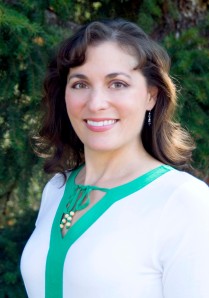
christys-publicity-photos-smallest1Tell us a little bit about yourself – who is Christy Cuellar Wentz when she’s NOT the Mommy-Muse?

First of all, being a Mommy-Muse is part of my essential self. It is not just a “job,” it is a passion.

That said, I can finally say that I accept myself as being perfectly imperfect! I am a mom like every other mom, working to walk (and dance!) my talk in the world. I make mistakes every day and am actually glad for my children to see my process of self-correction.

I grew up feeling as though everything I did needed to be perfect. I graduated from college at 18, and had the idea that if I just “studied hard” and got the “A,” everything would be all right. Turns out, life outside of school doesn’t necessarily work that way! Especially parenting. I can laugh at myself now, and definitely feel like a “broken in mommy,” rather like the Velveteen Rabbit, at times.

I love being outside in beautiful, wild areas, and love animals. I love belly dancing, and wrote The Belly Dance Prescription: Shake Your Hips AND Depression once I realized how transformative it can be. I’ve even been known to belly dance in nursing homes.

I also home-school my children while working from home, so I may be a little crazy, but I love the life I’m creating just the same!

Have you experienced a Perinatal Mood Disorder? If so, how did this experience affect you? How did you handle it?

Yes, I went through Postpartum Depression following the birth of my first child. It was a dark fog that didn’t lift for nearly two years. I got through with support of my husband and mother, by taking one small step at a time through days and nights that seemed endless. I cannot say I handled it well, just that I survived the experience without hurting myself or anyone else. I did not seek treatment because I was scared I wouldn’t be able to nurse my child if I was on any medication. Looking back, I wish I had.

This had a profound effect on my life, and was the main reason I co-founded Mommy-Muse.com.

How did your husband handle your bout with a PMD? Was he supportive? Did the experience strengthen or weaken your marriage?

My husband was supportive, but confused. He was a first-time father, in the middle of his life, and none of this was what he expected. He saw the woman he loved in pain, and didn’t know how to fix it. My first daughter cried a LOT, and rarely responded well to anyone but me. He wanted to ease my load and soothe her, giving me breaks, but had very little success. It was an enormously stressful experience for both of us. We are stronger in our marriage from surviving the experience, but I can sure understand why so many marriages suffer after the birth of a new child.

Here at Unexpected Blessing, I put a tremendous emphasis on the importance of self-care. What is it you do to take care of yourself and what are some typical signs that a Mom can look for to tip her off that self-care needs to be initiated?

I have a list of simple things that nourish me from the inside out, through all my senses. I got the idea from a beloved book, Martha Beck’s The Joy Diet.

Here are some of my favorites:

Belly dancing, eating a really great piece of chocolate, taking a bath with some favorite essential oils, listening to a favorite piece of music, meditating, savoring a warm patch of sunlight through my window, or enjoying a pot of perfectly prepared tea from my favorite tea set.

I choose some things from this list to do for myself every day. If I don’t, I really know it. Some sure signs that I look for in myself and other moms that tell me self-care is absolutely essential are an overwhelming sense of stress, unusually short temper, hyper-sensitivity, negative self-talk, tearfulness, and depression.

Share three things with us that made you laugh today.

You bet! Spontaneous dancing with my children, watching our canary jumping around excitedly, and watching my children do a joyfully extended version of the “pee-pee dance” just for my benefit.

What do you find the most challenging about motherhood? The least challenging?

Ahh, the most challenging. There is a chapter called “On Balance” in Leslie Morgan Steiner’s book Mommy Wars in which Jane Juska writes these powerful words: “Children are not born to provide balance. Children are made to stir us up, to teach us how angry we can get, how scared we can be, how utterly happy, happier than we’d ever imagined was possible, how deeply we can love. Children turn us upside down and inside out…but they do not balance us.” My biggest challenge is creating a balanced, ecological life for myself and my family. My fantasy version of balance is a static point that I will magically reach and forever maintain. The reality, of course, is that balance is very fluid, changing hourly, daily, according to the needs of the moment. I am learning to flow with more grace in my life, but it is a continually evolving process.

The least challenging part of motherhood is delighting in small, daily moments of joy with my children. This is in sharp contrast to my two years of postpartum depression. Everything at that time seemed difficult, including the ability to enjoy my child. Knowing the difference helps me appreciate today’s joyful moments even more fully.

How did your training as a counselor affect your PMD experience? Did it enable you to better recognize your symptoms and seek help or did it inhibit you from seeking help?

I would like to be able to say that I had a better experience with postpartum depression because of my training. The truth is that I couldn’t see my symptoms clearly through the fog. In fact, having a Master’s Degree in the field may have allowed me to hide my symptoms more thoroughly, partly because I thought I should be handling my life better, and partly because I mistakenly believed I would have to give up nursing if I sought help and required medications.

Tell us about the Mommy-Muse site. How did this come to be?

Mommy-Muse.com was born out of my experiences with postpartum depression and feelings of isolation. Once I emerged from PPD, I realized there was a vital group of women to reach out to – new mothers, who often do an amazing job of hiding their true feelings from even from their closest friends. When a woman goes through any kind of postpartum mood disorder, even the simple act of getting your baby ready for an outing to a counselor’s office can seem overwhelming.

My mother, Linda Semrau, had also lived through postpartum mood disorders. Together, we decided to be the change we wish to see in the world, providing the very thing we wished for as new moms – effective, convenient, affordable coaching and therapy, available any time of the day or night.

At the Mommy-Muse site you state that it takes up to 24 months to adjust to Motherhood EACH TIME. Explain a little of this for my readers. Why 24 months?

We originally stated this based on our personal experiences and interviews with other moms. Even mothers with 7 children confessed that a complete adjustment to life with a new child takes 2 years, each time. I was delighted to discover during an interview on The Mommy-Muse Is In: Empowering Your Journey into Motherhood that many doctors actually do recognize it takes two full years to adjust physically and emotionally to the arrival OR exit of a family member.

If a mother knows that an extended adjustment period is normal, she is more likely to take care of herself during the process. I think we put unrealistic pressure on ourselves to have everything “all together” by the time we have our 6 week checkup. Knowing the truth can empower us to mobilize needed resources long after this artificial benchmark.

Last but not least, if you had a chance to give an expectant mother (new or experienced) just one piece of advice regarding Perinatal Mood Disorders, what would you say to her?

Communicate with your family and friends about any concerns you may have, and prepare a postpartum action plan, or “wish list,” to implement in case you need it. It is so much easier to mobilize supportive resources before you’re in the middle of sleep-deprived “Baby Time.”

If you have a blissfully easy transition into new parenthood and never need to activate your support plan, great! If you do need it, you (and everyone who cares about you) will be glad it is in place.

One powerful resource to help is our new “Get Ready, Get Set, Expecting-A-Baby” 12-week coaching package at Mommy-Muse.com. We custom designed this package to help expectant moms make the smoothest possible transition as they welcome a new baby into their lives.