Category Archives: pregnancy

Henna, Childbirth, and the Postpartum Period

"Henna Foot" By Jason. Tabarias @flickr (http://tinyurl.com/35f4yj4)

Here is an excerpt from a wonderful article I located last night regarding this topic. The entire article is absolutely fascinating and DEFINITELY worth the read.

Hennaing a woman after she gives birth is a traditional way to deter the malevolent spirits that cause disease, depression, and poor bonding with her infant. The action of applying henna to a mother after childbirth, particularly to her feet, keeps her from getting up to resume housework! A woman who has henna paste on her feet must let a friend or relative help her care for older children, tend the baby, cook and clean! This allows her to regain her strength and bond with her new baby. She is also comforted by having friends who care about her well-being, and is helped to feel pretty again. It’s a comfort to have feet beautified when you haven’t seen them for several months. The countries that have these traditions have very low rates of postpartum depression.

Sharing the Journey with Dr. Shoshana Bennett

Having started out much like myself as a survivor of PPD, Shoshana Bennett has done more than just dig herself out of a deep dark place – she’s risen far above it and has been reaching back to help others find their way back out and into the bright Clear Sky. In fact, Dr. Shoshana appeared just this past Tuesday on The Doctors to speak about Postpartum Mood Disorders and offered to help currently struggling moms. She serves as a true inspiration and source of caring support for those of us who advocate and are struggling through our own dark path. Thank you, Dr. Shosh, thank you.
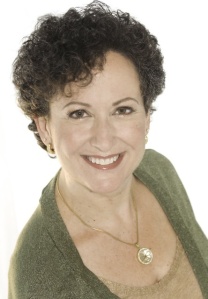
Would you share a little bit about yourself with us?

A survivor of two life-threatening, undiagnosed postpartum depressions, now considered a pioneer in the field, I founded Postpartum Assistance for Mothers in 1987, and am a former president of Postpartum Support International. I’ve  helped over 17,000 women worldwide through individual consultations, support groups and tele-classes. As a noted guest lecturer and keynote speaker, I travel throughout the US and abroad, training medical and mental health professionals to assess and treat postpartum depression and related mood disorders. I have earned three teaching credentials, two masters degrees, a Ph.D. and am a licensed as a clinical psychologist. Currently, I am working to pass legislation that helps reduce the incidence and impact of postpartum mood disorders. You can contact me through http://ClearSky-Inc.com.

I’ve written Postpartum Depression For Dummies and co-authored Beyond the Blues: Understanding and Treating Prenatal and Postpartum Depression. My latest book Pregnant on Prozac will be available in January of ’09. I’ve also created guided imagery audios that are specifically focused on helping moms take care of themselves.

How did you become focused on Postpartum Mood Disorders? What drew you in to the subject?

Out of personal experience with severe postpartum depressions (along with OCD, panic, and PTSD), it became my mission to educate. There was no help for me back in the ‘80s. When I realized there was a name for what I had gone through, I understood that my family and I didn’t have to suffer like we had. Since then, it’s been my passion to help prevent that pain and isolation in others.

As I look back at my two episodes of Postpartum Depression with OCD tendencies, I see very clearly now how they helped to mold me into the woman I am today and allowed me to develop my tenacity and increase my self-esteem. What are some of the biggest things your experience with PPD allowed you to realize? Through sharing my experience and expertise with clients and colleagues, I experience the deepest, most satisfying feelings. I know my suffering was not in vain – my purpose is to get the word out that there’s hope and that moms will recover with proper help. I get to witness my clients’ lives transforming before my eyes. They often tell me they’re happier than they were even before their postpartum depressions! I am so thankful that out of personal devastation came this glorious path.

As a mom, what have you found to be the most energizing about motherhood? The most challenging?

As many of your readers will agree, our children are our best teachers. My kids always hold up that proverbial mirror so I will be the best person I can be. This is both what’s most energizing and most challenging. It’s not always easy to take an honest look (right?), but I truly love the personal growth involved. I find this challenge stimulating and exciting.

What are some of the biggest challenges you have faced in juggling motherhood and work?

I earned a doctorate degree when my children were quite young. Most of my studying and papers were completed between 3 and 6 in the morning, before my kids woke up, which took some discipline. Also, working from home can be easier in some obvious respects, but more challenging in others. For instance, I needed to learn to keep my work contained in my office , instead of letting it spill into my kitchen and living room. Psychologically and physically it took some practice setting and keeping those boundaries.

We often encourage mothers to remember to take time for themselves. What is it that YOU do to recharge your batteries?

In between writing chapters for my next book Pregnant on Prozac, I take walks, do yoga, and visit with friends. I travel and speak quite a bit, but these are things I can do anywhere. Almost every day I put on some great, upbeat music and I focus on my next steps personally and professionally. I’m also a huge believer in nutrition – I eat really well to support healthy brain chemistry and body functioning. Every month I also receive a wonderful massage. I encourage my clients to take good care of themselves physically, emotionally, psychologically and spiritually, and I do the same for myself.

Postpartum Mood Disorder recognition and acceptance has come a LONG way but we still have miles to go. What do you see as some of the hurdles we still have to cross?

For one, the DSM should recognize the postpartum mood disorders as their very own diagnoses. Right now, there is no actual diagnosis of postpartum depression, so it’s viewed by many well-meaning professionals as no different from any other depression. For any woman who has been depressed before having a baby, and then has ppd, she absolutely knows that ppd feels different. Also, the right questions for moms and dads need to be asked in OB and pediatricians’ offices as a standard practice. It is definitely going in the right direction, and doctors are increasingly “tuning in” to these questions and listening better to the answers given. In addition, medical doctors are also understanding that prescription medicine doesn’t always need to be the first line of treatment. Many of my clients have not needed medication once they receive a solid plan of action with natural healing.

What is your philosophy regarding your approach to Postpartum Depression? How did you develop this philosophy?

I am solution-focused, not problem-focused. I focus on wellness and healing and helping depressed women get “un-stuck” as fast as possible. I learned many years ago that women can recover remarkably quickly when they have very simple and practical steps to help them move forward.

What advice would you give to medical professionals who may come in contact with a mother who is depressed? What are some of the best things they could do for this mom? What should they not do?

Funny – I was just asked to present at a women’s conference on just this topic. It’s important to speak to this mom with care, sensitivity and respect – reassure her that she’s not inadequate, there’s nothing to be ashamed about and handle the topic very matter-of-factly, as gestational diabetes (or any other common perinatal illness) would be approached. A practitioner should not dismiss depression as “normal” or give pat advice such as, “go out on more dates and get your nails done and it should pass.” Depression needs to be taken seriously and a referral to a therapist who specializes in the field should be provided.

And last but not least, if you had a chance to give just one piece of advice to an expectant mother (new or experienced), what would you say?

Pregnant women call me all the time, since they want to prevent depression and anxiety later on in the pregnancy and also postpartum. I help them with a simple plan of setting realistic expectations, sleeping at night, eating/nutrition, and getting emotional and physical support. So much joy and happiness can be experienced (and mood disorders greatly minimized, if not completely avoided), when there’s a solid plan of action in place!

Sharing the Journey with Pec Indman

Pec is one of the warmest people I have had the pleasure of emailing. Ever. She has been super supportive of all that I do and for me it’s amazing that in just four years, I’ve gone from an unsupportive OB to being able to email an expert like Pec and get a response in mere seconds. What a road! Pec is whole-heartedly dedicated to women and families struggling with Postpartum Mood Disorders and like me, I know she’ll never stop doing what she’s doing. Keep up the amazing work and thank you for sharing a bit of yourself with us!

Would you share a little bit about yourself with us?

I grew up in a very loving family. My parents were active in political movements that supported causes including civil rights and the women’s movement. I became a family practice trained Physician Assistant in the 70’s, and worked in Family Practice and women’s health. After deciding to go back to school, I completed a Master’s in Health Psychology, and then a Doctorate in Counseling. I had Megan, my first daughter just after I completed my doctoral coursework. Emily was born almost six years later, after treatment for fertility problems and a miscarriage.

How did you become focused on Postpartum Mood Disorders? What drew you in to the subject?

About 12 years ago, I was in an OB/GYN waiting room and happened to see a flier by Postpartum Support International (PSI) about Postpartum Depression. I realized that although I had years of training and experience in women’s health and mental health, and had delivered two children, I had been taught nothing about mood disorders related to childbearing. I was horrified and angry. I am still outraged that my Master’s program in Health Psychology never covered anything related to specific issues related to women’s reproductive mental health (for example, PMS, perinatal, or perimenopause/menopause). So, I joined PSI, read everything I could, and went to trainings and conferences. I began teaching for PSI and co-authored a book, Beyond the Blues, A Guide to Understanding and Treating Prenatal and Postpartum Depression. We’ve updated it several times to reflect the latest information and research, and are proud to have it in Spanish, as well. I’ve been honored to be invited to participate and contribute in the creation of several federally funded projects on perinatal mood disorders. I feel very honored to do this work. It’s the most rewarding work I’ve done. It’s also the most fun; I work with nice moms, sometimes they bring their babies, and everyone gets better! What could be more fun?

I know different approaches work for different people. What have you found to be the most successful in your practice with Postpartum Women?

My clients describe me as “warm and fuzzy.” I like to think my office is a comfortable place where women and families can feel safe and free from judgments. One of the things I find that women and families thirst for is information. So often I hear, “why didn’t anyone tell me I was at risk?” I practice a model of therapy called cognitive-behavioral therapy. It is a very practical model that helps people learn how depression and anxiety distort thinking and teaches people how to think differently. My clients really appreciate the practical skills and tools.

As a mom, what have you found to be the most energizing about motherhood? The most challenging?

I feel enormous pride when I watch my girls achieve something they have worked hard to accomplish. The most difficult thing has been standing by while they have experienced life challenges, knowing I can’t take away the disappointment and pain.

What are some of the biggest challenges you have faced in balancing motherhood and work?

I think the idea of “work/life balance” is an impossible goal that sets women up for feeling not good enough. I see it as a juggling act. Sometimes one ball is on the floor-it might be the laundry or the dishes. Or, sometimes a kid gets sick or there is a client emergency. There is no “balance”. I think the key is to be flexible and have clear priorities. Laundry and dishes will always wait for you. I am extremely lucky in that I can arrange my work schedule around my “chauffeur” mom job.

We often encourage mothers to remember to take time for themselves. What is it that YOU do to recharge your batteries?

I am an avid scuba diver and tropical fish lover. My whole family dives, and we just had a delightful family vacation in Cozumel, Mexico. I enjoy taking underwater photos, and my husband takes underwater video. So, when I can’t be with the fish, I can still enjoy their beauty and the magnificent underwater world.

Postpartum Mood Disorder recognition and acceptance has come a LONG way but we still have miles to go. What do you see as some of the hurdles we still have to cross?

We have come a long way, but we have a lot more work to do. Ideally, all women should be informed about risk factors for perinatal mood disorders, before getting pregnant or at a diagnosis of pregnancy. Women should be screened for mood problems during pregnancy and throughout the first year. In order to do this, health care providers need have a better understanding of perinatal disorders and why it so important to take them seriously. And we need to train providers to treat women and families suffering. I am appalled that the most common complication of childbearing is still so misunderstood and poorly treated. I think we need to dispel the myths that still surround perinatal mood disorders. We need to educate women and families about the problem and to be good consumers in seeking treatment. We need to train health care providers to ask the questions and screen, and we need a trained therapist on every street corner.

I believe one of the biggest keys to positive recovery for women is full family involvement -i.e., a supportive and educated husband/partner and family. Of course, education prior to an episode is wonderful but how can we best aid in this process when the family is in the midst of a Postpartum Mood Disorder Crisis?

I agree that family involvement is critical. Whenever possible it is important to include the family in the process of treatment. Often the family is confused and unsure what to say or how to be supportive. Treatment should include family whenever possible.

What makes you smile?

Hanging out with my family, being in a clear turquoise tropical ocean (I did have to learn not to smile at the fish, because it would cause my face mask to leak!), and hearing a mom say “I got my self back”.

And last but not least, if you had a chance to give just one piece of advice to an expectant mother (new or experienced), what would you say?

I have a few words of wisdom:hug and kiss your kids as often as possible, notice the positive, and remember to be emotionally flexible. Know what is developmentally appropriate for your child and have realistic expectations of them. Lastly, if it’s not a health or safety issue, be able to let it go…… somethings aren’t important to make a big issue over.

Wednesday Chat with a PSI Expert

Every Wednesday, PSI has free open phone sessions, called “Chat with an Expert.” These sessions provide a free forum for information and contact.

Talk with a PSI PPD expert about resources, symptoms, options and general information about perinatal mood disorders from the privacy of your own home. No need to pre-register or give your name. Sessions are informational only and open to anyone with questions and concerns about themselves, a loved one, friend or family member.

See this link for details. http://postpartum.net/info-sessions/

Sharing the Journey with Cheryl Jazzar

I have recently had the delightful pleasure of getting to know Cheryl personally. We saw the play BIRTH together (THANK YOU CHERYL!) and have been involved in a movement to get a support network going here in the State of Georgia. Cheryl is a warm, caring, and passionate woman and reminds me quite a bit of myself in that respect. Her dedication to helping others along the journey is amazing and runs deep. She is also passionate about natural remedies and very knowledgeable. If she doesn’t know, rest assured that she will find out! Cheryl – you truly are an awesome woman and YOU ROCK! Readers, I sincerely hope you enjoy reading this interview as much as I have enjoyed getting to know Cheryl!

Would you share with us what led you to help women with Postpartum Issues? What drives your passion?

In 1994 I suffered a psychotic break when my first child was just over one year old. I was hospitalized for six weeks over the holidays and lost everything dear to me, including my marriage and my baby. When I remarried and had another child five years later I experienced a severe, lethargic depression a few months after delivery. The self care I used was so quick and effective, I realized I had something valuable to share with others.

You started a state-wide Postpartum Network in OK. What was that experience like and what advice would you give for others wanting to do similar work?

The experience was the most empowering time of my life. I learned it is true that one person can make a difference in the world. I was part of a team of women, though. None of this work should be attempted single-handedly. It takes all kinds of women to reach all kinds of women.

Early on I attended a nursing conference focusing on Native American’s health issues. I heard Wilma Mankiller, former Chief of the Cherokee Tribe speak at that event. She said, “Leadership is not standing behind a podium, telling other people what to do. Leadership is walking in the direction of your goals and working your plans. When you do that, other people will join you.”

That is exactly what happened for us in Oklahoma. We simply walked the path and we were blessed richly along the way for our efforts. There is no doubt in my mind how much our God cares for women. He provided opportunities, human resources, ideas, organizational collaboration, money- everything needed in perfect timing.

We started with two women who cared for moms and walked along the path we felt made the most sense. We learned from the wisdom of many others. Our little group grew to include over twenty organizations, linked together to care for families.

More important than position, education or even basic skills is having a heart for other women. A desire to help others is truly all that is needed to be very highly effective in this work.

For you, what is the most challenging aspect of motherhood? The Least?

For me the most challenging aspect has been laying down my own life and desires for my children. I am a dyed-in-the-wool feminist AND a Christian, homeschooling mom of four, two teens included! Reconciling those two parts of myself has not been easy. I came to realize that Motherhood is a gift to be cherished. It is not a given that we will be able maintain that gift and do a good job, especially if we are conflicted.

Now, managing those two parts of me is the least challenging. I realize being a strong, successful woman can entail being a dynamite mom first. Women are the emotional caretakers of the family. What an important position we hold!

I have a beautiful family and I am able to serve women. What more could a girl want ;0) ?

What do you do to feed your soul when you have time to yourself?

I have a shamelessly one-track mind. I learn more about perinatal mood issues and support more women. That fills me to the extent that I don’t really ‘need’ anything else. I do love a good bath with magnesium salts and a book on PMDs. But, with four kids, just going to the grocery store alone feeds my soul!

I’ve been to the spa once, does that count???
What makes you smile?

The fact that going to the grocery store alone is so awesome! No, looking my kids in the eye on a daily basis is such a gift to me. I can’t believe I actually get to have them grow up with me as their teacher. Homeschooling means I get to put my hands on my kids everyday and intimately know what’s in their heads. After losing access to my first child through mental illness, this is a great and cherished gift for our family.

Though all my kids make me smile, my first daughter takes the cake. She is 16 now and spends 8 weeks per year with my family in Atlanta. I was terrified my kids would be like the teen I was, but honestly, teenagers are boatloads of fun. Both our teenagers just crack us up and remind us how to really live in reckless abandon.

Just being a parent gives us permission to rediscover the joys of our youth. I see my kids as permission to swing at the park and do all sorts of other messy, fun things I would not do so otherwise.
Your approach towards PPD treatment is very holistic and nutrition based. Would you share with us some of what’s worked for you, what you’ve seen work for others, and a few resources at which women and families can find additional information?

Yes. I created WellPostpartumWeblog (www.wellpostpartum.com) to do just this- to provide information on this topic. When I had PPD, I used 1500 mg of calcium, 1000 mg of magnesium, sublingual b-complex vitamins, 2 grams (2000 mg) of Omega-3’s and natural progesterone cream daily. Even though I am not a doctor, I have shared this information with hundreds of other women who have chosen this approach and found their PPD and PP anxiety symptoms also turned around rapidly. Now I am focusing on what complementary treatments can help with more severe reactions. I found that natural progesterone works best for anxiety reactions. I am in the process of compiling data on the use of bio-identical hormones.
What would you say is the number one lesson you’ve learned from PPD?

The number one lesson is that we are in crisis. Many American women have no idea how to care for themselves after childbirth- we are so cut off from cultural traditions and common sense. When I read “The Scientification of Love” a light-bulb came on for me. I realized why natural birth is so important.

Education is power. For women, we do not seek ‘power over’ someone, but ‘power WITH’ others. Helping each other to become more aware is the very reason women are so wonderful and special. Women’s organizations can operate from this premise and everyone wins, which I think answers the next question.
How does it feel to be helping other moms during a time of need?

Win/win is a great goal that brings deeply fulfilling feelings, no matter what capacity we serve in.

Would you share a bit of information from your book with us? Why would it be important for a new mama to read this?

Yes, but my first written work was one chapter in the book 101 Great Ways to Improve Your Health. My full chapter is available at http://wellpostpartum.com/?s=101.

Most moms don’t realize they have treatment options and up to half of women will not seek help at all due to concerns over being medicated. It is important that women realize their baby is built on nutrition taken from their own bodies. The vitamins, minerals, amino acids, fats and enzymes that go into growing a baby are also VITAL in the postpartum period for the mother’s emotional well being and hormone balance.
And last but not least, if you had a chance to give an expectant mother (new or experienced) just ONE piece of advice, what would it be and why?

Realize your true place in the world. The Dalai Lama came to Atlanta recently and pointed out his most important aspects of a peaceful world. His first point was on the importance and influence of Mothers. He said the most important thing we, as a race, can do to promote peace in the world is to care for mothers.

What he realizes is that women are the origin of life. In partnership with the divine, it is our bodies that house the genesis of new human life on this planet. That awesome responsibility needs to exist in a place of honor. When we realize that, we are more able to ask for and receive the care we deserve during our reproductive years.

Yes, new mothers are fragile. They are fragile for a reason. If our goal is to clean the house, go to the salon, prepare meals and go back to work looking like the perfect specimen, focus is taken off the important task of bonding with the baby. We can learn to respect the true purpose for our fragility during the perinatal period- that we are better able to relate to new the new life before us. Nurturing ourselves nurtures that new life.