Category Archives: infant

Wade Bowen Classic Celebrity Golf Tourney to Benefit Postpartum Depression

“WADE BOWEN CLASSIC” CELEBRITY GOLF TOURNAMENT AND CONCERT SET TO BENEFIT WOMEN WITH POSTPARTUM DEPRESSION

Cross Canadian Ragweed To Join Bowen At Event on Nov. 2-3 in Waco, TX

NASHVILLE, TENN – October 3, 2008 – Country music artist Wade Bowen will host his 11th annual “Wade Bowen Classic” concert and celebrity golf tournament on Nov. 2 and3 in Waco, TX.   This year’s event benefits Postpartum Support International (PSI), the world’s largest nonprofit supporting women with perinatal mood and anxiety disorders.

An all-star concert kicks off the two-day event at the Heart of Texas Fairground GE Building in Waco at 7:00pm on November 2, featuring Bowen and friends, including Cross Canadian Ragweed and Stoney LaRue, with more guest announcements in the coming weeks. The golf tournament the next day will be a two-man scramble and will take place at beautiful Cottonwood Creek Golf Course in Waco.

“I’m so proud of how this event has grown and how everyone has come together to raise so much money,” said Bowen.  “This year we are partnering with PSI, which hits really close to home for me because my wife battled postpartum depression after the birth of our first child, and I know how severely it can affect families. Believe me when I tell you that it is a cause that needs more awareness.”

Bowen recently released his new album, “If We Ever Make It Home,” featuring the song “Turn on the Lights,” which he wrote about his family’s experience with postpartum depression. To see him perform the song, click here: http://www.youtube.com/watch?v=0Bnh0EuexQE.

Tickets for both components of the weekend are available at http://www.wadebowen.com/bowenclassic and start at $15. Over the past two years, The Bowen Classic has raised nearly $60,000.

Postpartum Support International (PSI) is the world’s largest non-profit organization dedicated to helping women suffering from perinatal mood and anxiety disorders, including postpartum depression, the most common complication of childbirth. PSI was founded in 1987 to increase awareness among public and professional communities about the emotional difficulties that women can experience during and after pregnancy. The organization offers support, reliable information, best practice training, and volunteer coordinators in all 50 U.S. states as well as 26 countries around the world. Working together with volunteers, caring professionals, researchers, legislators and others, PSI is committed to eliminating stigma and ensuring that compassionate and quality care is available to all families. To learn more, call PSI at 800-944-4PPD or visit www.postpartum.net.

For additional information on the Bowen Classic, visit http://www.wadebowen.com/bowenclassic. For questions regarding sponsorship or group ticket rates please contact “Big Hearted Babes” at www.bigheartedbabes.com

Sharing the Journey with Bob Gibbs

Bob Gibbs is the father of Jennifer Bankston, the woman for whom the foundation Jenny’s Light has been founded. Jennifer tragically took both her life and her infant’s life as a result of PPD. Her family was unaware of this horrible disease and did not see the warning signs. Bob, his wife Sandy, Jenny’s sister Becky, and numerous family and friends have put their heart and soul into Jenny’s Light to ensure others do not suffer in silence the same tragedy they have experienced. I applaud their efforts and numerous achievements to date. As more families and women speak up about our experience with PPD, the louder our voice becomes – forcing change around us, eroding the stigma, and empowering new mothers faced with these same challenges – giving them the courage to step up and get the help they DESERVE.

What factors surrounding Jenny’s experience led to the development of Jenny’s Light?

I think the main thing was that it seemed so senseless and we wanted to have some good come from it. We wanted to create a lasting legacy for Jenny and Graham.

For me, the more I work with women and their families, helping to educate and aid them in recovery, the stronger I become. Have you found this to be true with your work through Jenny’s Light?

Definitely! Sandy and I feel like this is our therapy. It is so gratifying to know other people appreciate what we’re doing.

What are some of the things Jenny’s Light has already achieved in such a short time?

We have distributed over 20,000 PPD info cards, mostly at Triathlons, had over 25,000 hits on our website representing 73 countries, received hundreds of testimonials from mom’s who saw our site and were moved to seek help, raised over $140,000 in just 9 months, and have formed a partnership with Allina Health Systems and Abbott hospital to develop a universal screening program within their system.

I am absolutely amazed at the level of fundraising already in place for Jenny’s Light. Has the outpouring of support for your organization surprised you as well?

At first we were overwhelmed, but the more responses we saw on our website, the more we realized that this was a problem that needed attention and the people that had been touched by it wanted to help.

What are some signs and symptoms parents and family members should watch for after a woman gives birth that may be indicative of an underlying emotional disorder?

There are many! Frequent crying or tearfulness, loss of interest or pleasure in life, difficulty sleeping or sleeping too much, feeling worthless, hopeless or guilty, showing little interest in your baby, to mention a few.

As is often mentioned to new mothers, taking time for oneself is important. What do you do to recharge yourself after a long day?

Sandy and I are both bike riders and outdoor nuts. We have a cabin in northern Wisconsin that is definitely our recharge zone.

In your opinion, what should all expectant mothers know about PPD before they give birth?

They should know the symptoms, be aware of the dangers, have a strong support system in place, and know they are not bad mothers if they don’t feel on top of the world.

What should health care providers do to improve their treatment and prevention of PPD?

This is the area where the most work is needed. No specialty really wants to take on more work in dealing with this problem. We are attacking it from the Mental Health angle. There needs to be screening, follow-up, and care provided to these mother if don’t want to see repeats of what happened to Jenny and Graham.

During this time in your life, what has given you strength to go on after losing Jenny and Graham?

Jenny was a very special person. She was loved by so many people, Sandy and I have a hard time comprehending it sometimes. We feel that continuing her legacy of caring is important for us and all the people that she touched.

Last but not least, do you have any advice for other parents who have a new or expectant mother in their lives?

Parents, spouses, friends, all need to know about the signs of PPD’s . One of the most sinister things about PPD is that mothers are often hesitant to ask for help, fearing they will be looked upon as unfit mothers.

Henna, Childbirth, and the Postpartum Period

"Henna Foot" By Jason. Tabarias @flickr (http://tinyurl.com/35f4yj4)

Here is an excerpt from a wonderful article I located last night regarding this topic. The entire article is absolutely fascinating and DEFINITELY worth the read.

Hennaing a woman after she gives birth is a traditional way to deter the malevolent spirits that cause disease, depression, and poor bonding with her infant. The action of applying henna to a mother after childbirth, particularly to her feet, keeps her from getting up to resume housework! A woman who has henna paste on her feet must let a friend or relative help her care for older children, tend the baby, cook and clean! This allows her to regain her strength and bond with her new baby. She is also comforted by having friends who care about her well-being, and is helped to feel pretty again. It’s a comfort to have feet beautified when you haven’t seen them for several months. The countries that have these traditions have very low rates of postpartum depression.

Sharing the Journey with Dr. Shoshana Bennett

Having started out much like myself as a survivor of PPD, Shoshana Bennett has done more than just dig herself out of a deep dark place – she’s risen far above it and has been reaching back to help others find their way back out and into the bright Clear Sky. In fact, Dr. Shoshana appeared just this past Tuesday on The Doctors to speak about Postpartum Mood Disorders and offered to help currently struggling moms. She serves as a true inspiration and source of caring support for those of us who advocate and are struggling through our own dark path. Thank you, Dr. Shosh, thank you.
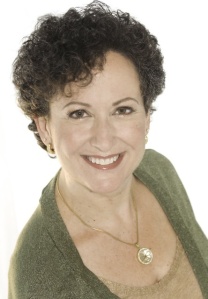
Would you share a little bit about yourself with us?

A survivor of two life-threatening, undiagnosed postpartum depressions, now considered a pioneer in the field, I founded Postpartum Assistance for Mothers in 1987, and am a former president of Postpartum Support International. I’ve  helped over 17,000 women worldwide through individual consultations, support groups and tele-classes. As a noted guest lecturer and keynote speaker, I travel throughout the US and abroad, training medical and mental health professionals to assess and treat postpartum depression and related mood disorders. I have earned three teaching credentials, two masters degrees, a Ph.D. and am a licensed as a clinical psychologist. Currently, I am working to pass legislation that helps reduce the incidence and impact of postpartum mood disorders. You can contact me through http://ClearSky-Inc.com.

I’ve written Postpartum Depression For Dummies and co-authored Beyond the Blues: Understanding and Treating Prenatal and Postpartum Depression. My latest book Pregnant on Prozac will be available in January of ’09. I’ve also created guided imagery audios that are specifically focused on helping moms take care of themselves.

How did you become focused on Postpartum Mood Disorders? What drew you in to the subject?

Out of personal experience with severe postpartum depressions (along with OCD, panic, and PTSD), it became my mission to educate. There was no help for me back in the ‘80s. When I realized there was a name for what I had gone through, I understood that my family and I didn’t have to suffer like we had. Since then, it’s been my passion to help prevent that pain and isolation in others.

As I look back at my two episodes of Postpartum Depression with OCD tendencies, I see very clearly now how they helped to mold me into the woman I am today and allowed me to develop my tenacity and increase my self-esteem. What are some of the biggest things your experience with PPD allowed you to realize? Through sharing my experience and expertise with clients and colleagues, I experience the deepest, most satisfying feelings. I know my suffering was not in vain – my purpose is to get the word out that there’s hope and that moms will recover with proper help. I get to witness my clients’ lives transforming before my eyes. They often tell me they’re happier than they were even before their postpartum depressions! I am so thankful that out of personal devastation came this glorious path.

As a mom, what have you found to be the most energizing about motherhood? The most challenging?

As many of your readers will agree, our children are our best teachers. My kids always hold up that proverbial mirror so I will be the best person I can be. This is both what’s most energizing and most challenging. It’s not always easy to take an honest look (right?), but I truly love the personal growth involved. I find this challenge stimulating and exciting.

What are some of the biggest challenges you have faced in juggling motherhood and work?

I earned a doctorate degree when my children were quite young. Most of my studying and papers were completed between 3 and 6 in the morning, before my kids woke up, which took some discipline. Also, working from home can be easier in some obvious respects, but more challenging in others. For instance, I needed to learn to keep my work contained in my office , instead of letting it spill into my kitchen and living room. Psychologically and physically it took some practice setting and keeping those boundaries.

We often encourage mothers to remember to take time for themselves. What is it that YOU do to recharge your batteries?

In between writing chapters for my next book Pregnant on Prozac, I take walks, do yoga, and visit with friends. I travel and speak quite a bit, but these are things I can do anywhere. Almost every day I put on some great, upbeat music and I focus on my next steps personally and professionally. I’m also a huge believer in nutrition – I eat really well to support healthy brain chemistry and body functioning. Every month I also receive a wonderful massage. I encourage my clients to take good care of themselves physically, emotionally, psychologically and spiritually, and I do the same for myself.

Postpartum Mood Disorder recognition and acceptance has come a LONG way but we still have miles to go. What do you see as some of the hurdles we still have to cross?

For one, the DSM should recognize the postpartum mood disorders as their very own diagnoses. Right now, there is no actual diagnosis of postpartum depression, so it’s viewed by many well-meaning professionals as no different from any other depression. For any woman who has been depressed before having a baby, and then has ppd, she absolutely knows that ppd feels different. Also, the right questions for moms and dads need to be asked in OB and pediatricians’ offices as a standard practice. It is definitely going in the right direction, and doctors are increasingly “tuning in” to these questions and listening better to the answers given. In addition, medical doctors are also understanding that prescription medicine doesn’t always need to be the first line of treatment. Many of my clients have not needed medication once they receive a solid plan of action with natural healing.

What is your philosophy regarding your approach to Postpartum Depression? How did you develop this philosophy?

I am solution-focused, not problem-focused. I focus on wellness and healing and helping depressed women get “un-stuck” as fast as possible. I learned many years ago that women can recover remarkably quickly when they have very simple and practical steps to help them move forward.

What advice would you give to medical professionals who may come in contact with a mother who is depressed? What are some of the best things they could do for this mom? What should they not do?

Funny – I was just asked to present at a women’s conference on just this topic. It’s important to speak to this mom with care, sensitivity and respect – reassure her that she’s not inadequate, there’s nothing to be ashamed about and handle the topic very matter-of-factly, as gestational diabetes (or any other common perinatal illness) would be approached. A practitioner should not dismiss depression as “normal” or give pat advice such as, “go out on more dates and get your nails done and it should pass.” Depression needs to be taken seriously and a referral to a therapist who specializes in the field should be provided.

And last but not least, if you had a chance to give just one piece of advice to an expectant mother (new or experienced), what would you say?

Pregnant women call me all the time, since they want to prevent depression and anxiety later on in the pregnancy and also postpartum. I help them with a simple plan of setting realistic expectations, sleeping at night, eating/nutrition, and getting emotional and physical support. So much joy and happiness can be experienced (and mood disorders greatly minimized, if not completely avoided), when there’s a solid plan of action in place!

Did You Know?

Here’s a brief section from a research article regarding the Chinese Postpartum or puerperium period and traditions that are commonly practiced. You can read the entire article here.

The postpartum period, or puerperium, starts about an hour after the delivery of the placenta and includes the following six weeks [1]. By six weeks after delivery, most of the changes of pregnancy, labor, and delivery have resolved and the body has reverted to the nonpregnant state [1,2]. The postpartum period is a very special phase in the life of a woman. Her body needs to heal and recover from pregnancy and childbirth. A good postpartum care and well balanced diet during puerperal period is very important for the health of a woman.

According to Chinese traditions, the first 30 or 40 days postpartum is recognized as a special time period for behaviour restrictions and a state for convalescence. This period is called ‘sitting month’ or ‘doing the month’. Based on Chinese traditional medicine, postpartum women are in a ‘weak’ state because of ‘Qi’ deficiency and blood loss [3]. Their body can be easily attacked by ‘heat’ or ‘cold ‘, which may cause some health problems like dizziness, headache, backache and arthragia in the month or in later years. Therefore, Chinese women are advised to follow a specific set of food choices and health care practices. For example, the puerperal women should stay inside and not go outdoors; all windows in the room should be sealed well to avoid wind. Bathing and hair washing should be restricted to prevent possible headache and body pain in later years. Foods such as fruits, vegetables, soybean products and cold drinks which are considered ‘cold’ should be avoided [4,5]. In contrast, foods such as brown sugar, fish, chicken and pig’s trotter which are considered ‘hot’ should be encouraged [5]. It is believed that if a woman does not observe these restrictions, she may suffer a poor health at her later life. These traditional postnatal believes and practices are often passed down from senior females in the family to the younger generations [4].