Category Archives: postpartum depression

New ACOG President focuses on Postpartum Depression as Priority

According to a recent ACOG press release, yesterday, Dr. Gerald F. Joseph, Jr., became the 60th President of the American College of Obstetricians and Gynecologists.

During his inauguration speech, Dr. Joseph declared Postpartum Depression to be the theme of his presidential initiative.

Just in case you can’t see me, I’m doing a major happy dance right now. Jumping for joy! Screaming from the mountain tops!

“While in an ideal world, the newly delivered mother is at the peak of her reproductive health, with a beautiful child and, ideally, a supportive, loving family, this unfortunately is not always the case,” said Dr. Joseph. “Studies show that this is a most vulnerable time for our patients, especially those prone to depression or those with a history of depression.”

Dr. Joseph also went on to state the following:

“First, we need to determine the true prevalence and incidence of postpartum depression,” he said. Because definitions of depression vary among different studies, postpartum depression is estimated to range anywhere from five percent to more than 25 percent, depending on these changing definitions and the diversity of populations studied. “Second, the available screening tools to assess potentially at-risk pregnant women often are imprecise and leave much to be desired. And, finally, we need to develop evidence-based guidelines for ACOG members to screen for postpartum depression.”

“We also need to know how ACOG Fellows screen and identify patients suffering from postpartum depression,” Dr. Joseph continued. “When do they counsel? How do they treat? Do they refer to other specialists for treatment? What kind of local programs are available for education and support? These are all questions that we need answers to.”

AMEN, Dr. Joseph! AMEN!

Congratulations on your Presidency. I am excited about the prospect of your work!

I sincerely hope this will encourage more OB’s to acknowledge that yes, mothers do struggle, that they do face a difficult decision when coming forward to admit their negative thoughts and feelings when they should be happy. As a woman who was dismissed by her OB the first time around and faced monumental consequences as a result after the birth of my second child, I applaud this stand. I see this as a huge step in preventing what happened to me happening to another woman! Thank you, Dr. Joseph.

Click here for the full press release.

Sharing the Journey with Cynthia Olkie

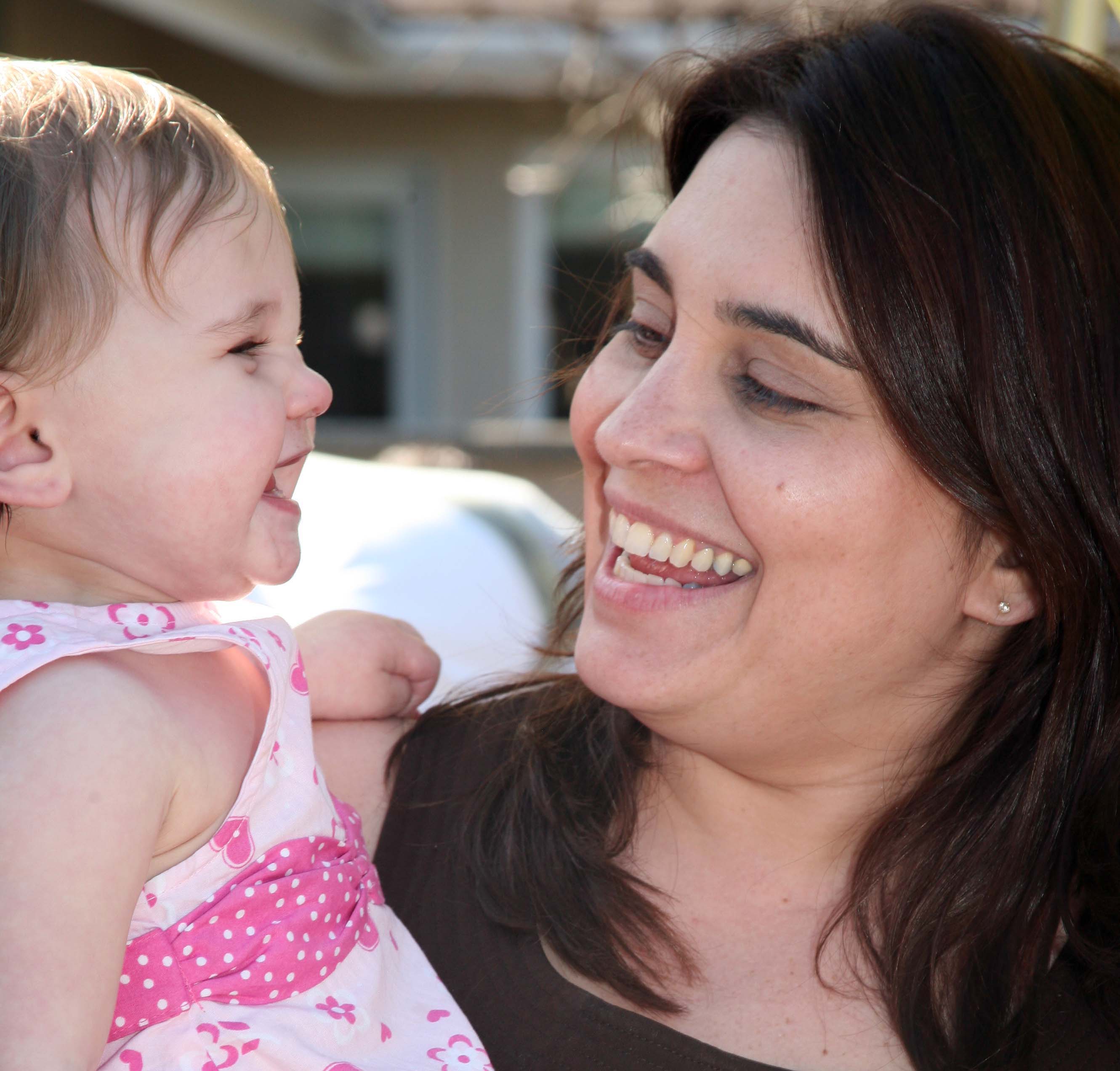
A fellow Coordinator with PSI first emailed me about Cynthia Okie’s Project, It’s Not So Black and White. The project is a photo essay book focusing on stories and photos of survivors of Postpartum Mood Disorders. I immediately posted about the project, following up with an email to Cynthia with a request for an interview. I am so excited to be sharing her journey with you today! She’s still accepting submissions for the book from survivors so if you have a story to share and can squeeze it out in 650 words or so, shoot Cynthia an email at fleurphoto@aol.com. If you’re in the L.A. area you’ll even get a free photo shoot! Certainly can’t beat that!

Thanks, Cynthia, for working on what I am sure will be an invaluable contribution to the every growing body of work from survivors.
blog-pic-copy

Tell us about Cynthia. Who is she when she’s relaxing and hanging out?

I can’t say I stay put for very long.  If I am being creative I am happy.  That could include taking a walk on the beach with my husband, step-son and daughter, having visits with my family where we just hang out and talk (most of them with Long Island accents), taking photographs, doing an art project, etc.  If I get quiet time I do enjoy reading a good book.  Once in a while I will watch TV.  Reality shows are my vice.

Share with us your daughter’s birth story. Was pregnancy and delivery anything like what you expected?

I had a wonderful pregnancy and thank goodness no complications.  The birth was a different story.

My daughter was pushing 2 weeks overdue and they scheduled me to be induced at midnight on a Sunday night.  For the next 43 hours I went through 2 rounds of Cervidil and 2 rounds of Pitocin.  Not dilating at all I ended up having a  c-section.  Had I known how easy the surgery was I would have just opted for that and not go through the pain and uncomfortable process of inducing.

My daughter was born and I went to recovery.  I was in the recovery room for nearly 5 hours and the last 20 minutes completely by myself.  The nurse left to find out what was happening in the postpartum rooms.  It was a bit scary because my legs were still a bit numb from the epidural.  I had visions of being in a horror film where someone comes in with a knife and i can’t run because my legs were numb.  I rang the buzzer and asked for a nurse and finally was taken to a room.

The next 3 1/2 days were anything but enjoyable.  All of the nurses gave me different information about nursing-“hold the breast up”, “squeeze the nipple”, “don’t do this, do that”.  Even though I took a class once my daughter was in my hands it was totally different.  The nurses were a bit inconsiderate and contradicted each other.

Since my daughter had lost more weight then they say they like they told us we might have had to supplement with formula.  As soon as my husband left to go pick up my mother the nurse came in and said “bottle or syringe?”.  Syringe?? What is that?  Needless to say she stuck a bottle in my daughters mouth.  That got my hormones a bit in an uproar.

On Saturday before we were checking out the pediatrician and lactation consultant came in.  They were both amazing and said the nurse did not follow instructions and was supposed to wait until the end of the day and if anything do syringe feeding.  We were glad to go home and get our new family going.  We had a lactation consultant come over and she got us back up and nursing full time.

Postpartum Depression can be a dark and scary place. Share with us what your stay there was like.

After my daughter was 4 months old we had her Baptism.  Family that never come to Los Angeles came and we had a full house for almost a week.  It was a Wednesday morning and my brother who was going to stay with us for a few more weeks and I drove my mother and aunt to the airport.  It was the final send off which is always hard for me.  As soon as we walked into the door and sat down there was an earthquake.  Now,  earthquakes and I do not get along.  It was my catalyst that set me off like a light switch.  It got my adrenaline running and I got hot flashes. From that moment on I had a very difficult time trying to care for my baby.  Apparently I was holding her so tight in the door frame my brother took her from me.

Although the earthquake was the switch, the fact that I was completely exhausted and overwhelmed with being a new mom contributed greatly.  I found it too scary to wake up in the morning because I knew as soon as my daughter woke up that I had to be on duty and I couldn’t bear the thought.  The only thing I wanted to do was nurse her and then hand her off to someone else.  I had support through my local MOMS Club which was incredible because all of the doctors and medical personal I tried to contact gave me the quick brush off.  I finally got a prescription for medicine which I knew would take a few weeks to kick in.  I spent about a month crying every day and calling my family on the east coast at 4 am Pacific Time which I knew was right when they would get up.  I barely ate if at all, had no desire to do anything and wanted to escape.


How did your husband and family support you through your recovery? What were some of the things they did that helped the most?

My husband and brother blew me away with their support.  Being men I thought they would get scared, crawl up in their hole and try to ignore anything was going on.  Instead my husband took over with feedings which we had switched to bottles during the day only, made me food which I would try to eat and offered to do anything he could.  My brother who was staying with us also took over where he could.  He sat with me for hours patiently listening to me repeat the same things over and over and told me how great of a mother I was and that I would overcome this.  They both were there for me, my daughter and each other and owe them everything.  I also had a wonderful friend who came over when she could and was their for me every step of the way as well as my Aunt and Cousin on the East Coast who listened to me every single day for days on end and were struggling themselves to help me from afar.

In my journey I needed to constantly be talking to someone even though I would say the same things over and over.  I can’t say I found much professionals very helpful or supportive which was very disappointing.

Tell us about 3 things that made you laugh today.

My daughter’s silly face she makes.
My husbands goofy dances
How scared I was when I was sitting so quietly alone at my computer when I though the cat wanted to eat my piece of cheese and was all over the desk only to find out he was trying to get the HUGE moth crawling next to me. I don’t like bugs.

You’re working on a photography and essay compilation book. What started the inspiration for this project?

During the darkest of my days in postpartum I went to the park to cry and call my Aunt.  While I was sitting there I had a glimpse of my photography and how much I love taking photographs.  Some where out of the blue I came up with the idea to do a photo-essay book on my experience. It was almost as if I went through my experience so that my idea could come to fruition.  I still don’t know how it occurred to me but I do know exactly where I was sitting and how I felt.

What do you find to be the most challenging about parenting? The least?

The most challenging thing about parenting is how I don’t have nearly the same amount of time for myself as I used to. I am grateful to be a stay at home mom for the time being but find it hard to be home and not want to do something for myself.

The least challenging is how easy it is to love my child.  It is the absolute best thing that has ever happened to me.  It is completely unexplainable.  The joy, emotion, warmth and unconditional love surpasses anything I have ever felt.

How did your husband handle your journey through PPD? Do you feel it impacted your marriage?

My husband was there for me through my whole journey.  I think for a few moments he was so nervous he didn’t know what to do but he sure didn’t show that to me.  He was stronger then I have ever seen him.  He would just ask what he could do and all I wanted was a hug.  And a hug from him makes me feel safe.  I am not sure my journey impacted our marriage as much as just the addition of a new person. A marriage needs work and adding a child adds even more.  We manage to work through our issues and we can only hope we are raising a wonderfully kind, gentle, smart  and decent human being.

Here at Sharing the Journey, I encourage mothers to focus on themselves. What are some things you do to take time for yourself every day?

Every day?  Ha! That’s a challenge.  I do cherish a good hot shower without any interruptions.  That’s something I can count on every day.  The hot water cleanses all of my worries even if it’s for a few moments.  I read a little every day even if its a few pages in a magazine.  I talk a walk with my daughter in the stroller which gives me time to breath in the air while she is not running around.

Last but not least, let’s say you have a chance to give an expectant mother (new or experienced) a piece of advice about PMD’s. What would you share with her?

Try to get help as soon as you can and don’t be ashamed.  Lots and lots of people told me “you are not alone”.  Although I know that now….when I was in my dark place it didn’t matter.  I wanted to be a child again myself and have someone take care of me.  Find support.  It’s out there.  Right now we have to do a lot of work to find it but so many people are speaking out about PPD that I pray it will soon get easier.

Men’s Support Call Tonight

Don’t forget!

Tonight’s PSI Chat with an expert will take place at 9:00p.m. EST with Susan Dowd Stone.

Callers may remain anonymous and don’t even have to say anything if you so desire.

To participate, just dial 1-800-944-8766 five minutes before the call is scheduled to begin. You must enter the Participant Code (listed below) A maximum of 15 callers is allowed. Facilitators will end the call 15 minutes after starting if there are no participants. For detailed instructions click here.

Here is the entire Men’s schedule for the month of May:

DAD’S FORUMS:

Monday, May 4, 9:00 EST, Susan Dowd Stone, MSW, LCSW (Participant Code 83506)

Monday, May 11, 9:30 EST, Will Courtenay, PhD (Participant Code 56403)

Monday, May 18, 9:00 EST, Susan Dowd Stone, MSW, LCSW (Participant Code 11990)

Monday, May 25, 9:30 EST, Will Courtenay, PhD (Participant Code 52177)

Rachel Roberts crowned Mrs. Oklahoma International

Last month I featured an interview with Rachel Roberts, then Mrs. Tulsa International.

Rachel Roberts, Mrs. Oklahoma International and daughter

Rachel Roberts, Mrs. Oklahoma International and daughter

Rachel has gone on to be crowned Mrs. Oklahoma International and will be competing this July at the Mrs. International competition in Chicago, IL. Rachel was crowned by her husband last Saturday night.

As you know from her interview here, Rachel has made her platform Postpartum Depression Awareness during her Mrs. Tulsa days. She plans to continue with this platform as Mrs. Oklahoma and if she wins, Mrs. International. Her website is dedicated to sharing her story and providing resources for others.

“I was fortunate enough to recognize that I wasn’t feeling myself after having my daughter,” Roberts says.

“I want to help other women recognize and overcome this illness.” She adds that she wants to spread the word that it’s okay and there is help out there. “No one is alone and there are supportive people who want to help.”

As Mrs. Tulsa, Roberts has spoken to mothers of all ages, most recently at the Margaret Hudson Program for teenage mothers. She also appears in the May 5 edition of Woman’s Day Magazine in an article about postpartum depression and has worked diligently on helping to get the MOTHERS act passed into law. Roberts will speak at the Perinatal Mood and Anxiety Disorders Components of Care Conference on May 20 and 21 that will be simulcast throughout the state of Oklahoma.

Congratulations on your win, Rachel! Best of luck to you in July!

Sharing the Journey with Mary Jo Codey

As those of you who are familiar with Postpartum Advocacy know, Mary Jo has worked tirelessly to increase awareness and education of those around her. In fact, along with her husband, former NJ Governor Ritchie Codey, Mary Jo aided in passing New Jersey’s state-wide legislation for Postpartum Mood Disorder Screening education and screening. She also strongly advocates for the passage of The MOTHER’S Act, a bill that will increase funding for research, education, and awareness of Postpartum Mood Disorders here in the United States. Mary Jo has graciously agreed to Share her Journey today with the hopes of increasing signatures to the Perinatal Pro list as well as calls to the Senate H.E.L.P. Committee.

I sincerely hope her words will help spur you into action. Let me put it this way. If you know ten mothers, at least eight of them have experienced the Baby Blues. Two of them have experienced full-blown Postpartum Depression. And these are only the ones we know about. How many other mothers have suffered in silence? Help them break the silence. Let them know you are on their side. As New Jersey’s campaign says – “Speak Up when you’re Down!”


88_mary_joTell us a little bit about yourself. Who is Mary Jo Codey when she’s not passionately speaking out about Postpartum Mood Disorders?

I’m a teacher at the Gregory Elementary School in West Orange NJ. I love spending time with the children, watching them grow and flourish, and to instill a good self concept about themselves so they can take with them and utilize throughout their lives. When I’m not teaching I love to spend time with my husband Ritchie and my two boy’s, Kevin and Christopher. I also enjoy gardening, playing golf and eating chocolate with my dear friend Sylvia!

In 1984, after the birth of your first son, you began to experience some very frightening thoughts and moods. Would you share with us what you went through?

After the birth of my first child, Kevin, I had terrifying thoughts about hurting him. I had intrusive thoughts about smothering and drowning him. Those scary thoughts raced in my mind over and over throughout the day and night. It caused me such a great deal of pain and shame.

After the birth of your second son, with the aid of medication, you were able to have a “normal” experience. Describe the differences. At any point during this second postpartum period, did you find yourself upset about having missed out on your first son’s infancy?

With the birth of my first son Kevin, I had no idea what postpartum depression was. I never even heard those words before. I couldn’t even get out of my bed to visit the nursery to see or feed him.

With the birth of my second son Christopher, I was immediately put on medication which were extremely effective. I was elated that I could care for him and take care of him. I did however feel cheated by postpartum depression with my first child. At times I mourned and felt guilt for missing the first years with Kevin. I remember reporters coming to my home to do a story on me and I was asked if I had any pictures of Kevin. I was ashamed that I could not provide them with one picture of him.

When you first talked with your sons about Postpartum Mood Disorders, what did you tell them? How have they handled knowing about your experience?

I started to talk to my boys about my experience with postpartum depression at a very young age. I made sure that they understood that, it wasn’t their fault and that I loved them more than they could ever imagine. I explained to them that I was sick at the time. I also told them that they were the two greatest gifts that God had given me. They’ve handled it remarkably well.
New Jersey is the first state to enact legislation for Postpartum Mood Disorder screening and education. How did this law come about and what was your involvement in it’s development?

The minute Ritchie became Acting Governor for New Jersey the first item on our agenda was postpartum depression. Which led to “Speak Up When You’re Down.” It encourages women and their families to talk openly with each other and with their health-care provider if they are feeling depressed after the birth of their child. It also provides a 24/7 PPD Help line and postpartum depression information and resources; 1-888-404-7763.

Name three things that made you laugh today.

Watching my friend Phyllis come out of her home with 5 dog’s on leashes and luggage as we were leaving for the airport!

Trying to get on a large tube for “The Rapid River Ride.” After numerous failed attempts trying to get myself positioned on the tube, a stranger approached me and shoved me on the tube finally! He said that he couldn’t stand watching me struggle anymore…well it finally worked!

Calling my friend Sylvia and listening her imitate her Sicilian mother on the phone. Every time she imitates her mom it literally slays me!! It leaves me in stitches!

Senator Robert Menendez, NJ, introduced The MOTHER’S Act earlier this year to Congress. Share with us what this bill would do for women and families.

This bill is so very crucial for all women and families suffering with postpartum depression. It will help provide support services to women suffering from postpartum depression and psychosis and will also help educate mothers and their families about these conditions. In addition, it will support research into the causes, diagnoses and treatments for postpartum depression and psychosis.

Stigma plays a large role in women not reporting symptoms of Postpartum Mood Disorders. What can we do to overcome this stigma and replace it with acceptance and compassion?

Having women share their experience with postpartum depression, rather than keeping it to themselves is very important. To not be ashamed or afraid to speak up to their family members, health providers and women’s groups when they are grappling with postpartum depression. This will help replace the stigma of postpartum depression with acceptance and compassion.

How did your husband handle the changes your struggle with Postpartum Mood Disorder brought into the home? What can new dads do to support their wives as they fight to move back to “normal”?

At first my husband Ritchie blamed himself for what I was going through. He thought it was because he didn’t pay much attention to me because he was too involved with sports. He couldn’t understand what and why I was going through this. He was angry that I asked him to find another wife when I went to the hospital because I believed that I wasn’t going to get better. He never gave up on me! He stayed with me and understood that postpartum was an illness that we were going to overcome as a family. He never stopped praying. New dads need to be supportive and understanding towards their wife who is suffering with postpartum depression. Most importantly, they need to be patient and compassionate.

Last but not least, if you had the opportunity to give an expectant mother (new or experienced) just one piece of advice about Postpartum Mood Disorders, what would you tell her?

Women suffering with postpartum depression need to know that they are GREAT MOTHER’S! Do not worry about not being able to bond with your baby, it will happen. First you need to get well. Most importantly please, please, please don’t be afraid to reach out for help.